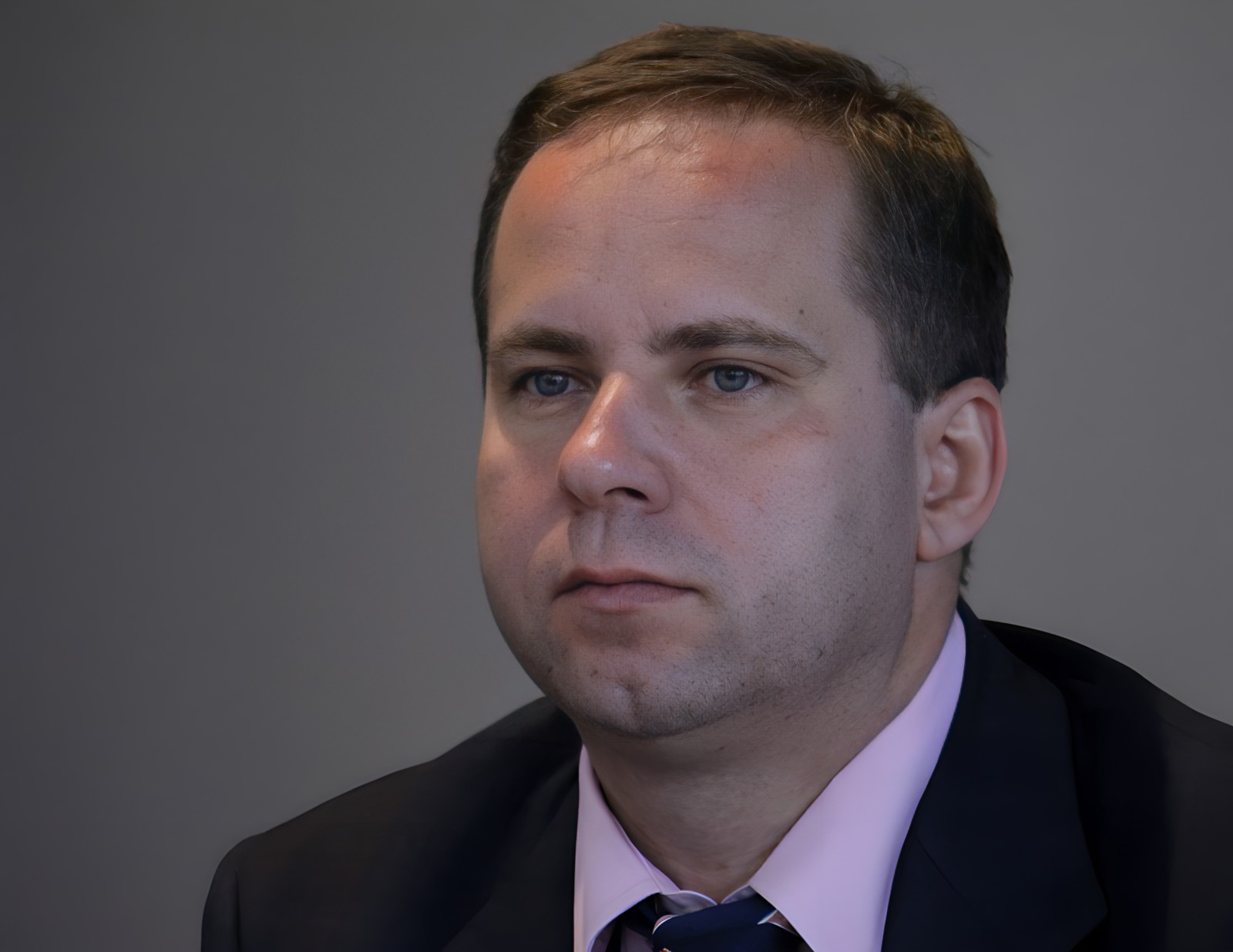
Сategory | Investor · Top Manager |
Last Name | Miroshnikov · Мирошников · МИРОШНИКОВ · MIROSHNIKOV ·米罗什尼科夫· Mirochnykov · Miroschnykow · Miroschnykow · Miroshnȳkov · Mirošnikov · Mirošnykov · Mìrošnikov |
First Name | Valery · VALERY · Valeriy · ВАЛЕРИЙ · Валерий ·瓦列里· Valeri · Valerii · Valerij · Valeriĭ · Walerij |
Patronymic | Aleksandrovich · Александрович · Alexandrovich · Oleksandrovytch · Oleksandrowytsch · Oleksandrovich · Olecsandrovych · Olexandrovych · Oleksandrovȳch · Aleksandrovič · Oleksandrovič |
Date of Birth | July 28, 1969 |
Place of Birth | Moscow |
Gender | Male |
Nationality | Russian |
Education | State Technical University-MADI (1992) · All-Russian Distance Financial and Economic Institute (VZFEI) (1996) · Plekhanov Russian Academy of Economics (2004) · Thesis: Organization of Insurance of Public Deposits at the Current Stage of Restructuring of the Russian Banking System (2004) |
Specialization | Finance and Credit |
Career | Expert of the Main Department of Commercial Banks Inspection at the Central Bank of the Russian Federation (1993-1996) · Deputy Head of the Department for Work with Troubled Credit Organizations and Deputy Director of the Department for Organizing Bank Bailouts of the Central Bank of the Russian Federation (1996-1999) · Deputy Director General of the State Corporation Agency for Restructuring of Credit Organizations (ARCO) (1999-2004) · Deputy Director General of the State Corporation Deposit Insurance Agency (DIA) (February 2004-March 2005) · First Deputy General Director of the State Corporation Deposit Insurance Agency (DIA) (March 2005-July 22, 2019) · Working in the real estate investment business (as of 2024) |
Professional Expertise | Deposit insurance systems · Bank restructuring and rehabilitation · Bankruptcy proceedings for credit organizations · Legislative development for banking sector · Financial rehabilitation of troubled banks · Preventing bankruptcy of financial organizations · Supervision of insolvency proceedings · Development of mechanisms for transferring assets and liabilities of troubled banks |
Notable Achievements | Co-author of Federal Law "On Insurance of Individuals' Deposits in the Banks of the Russian Federation" (2003) · Co-author of Federal Law "On the restructuring of credit organizations" (1999) · Co-author of Federal Law "On insolvency (bankruptcy)" (2002) · Played central role in establishing Russia's deposit insurance system · Supervised bankruptcy proceedings for approximately 600 banks simultaneously at peak |
Notable Achievements at DIA | Helped increase deposit refund rates from 3-5% to approximately 64% during his tenure · Participated in developing DIA's strategy through 2020, including concept for improving liquidation procedures (December 2018) · Supervised implementation of three main mechanisms to prevent bank bankruptcy · Oversaw DIA's expansion from deposit insurance function only to include bankruptcy administration (2004), financial rehabilitation of banks (2008), and maintenance of register of non-state pension funds · Reduced bank liquidation costs and significantly reduced terms of bankruptcy proceedings · Reduced average start period for insurance compensation from 11 to 7 working days · Helped DIA generate 20.4 billion rubles of net profit from 2016-2019 · DIA recognized as "World's Best Deposit Insurer" by International Association of Deposit Insurers (2015) · Co-founder of "Banking Business" journal as part of DIA's scientific and analytical education efforts |
Current Activities | Real estate investments |
Languages | Russian · English |
Industries | Real estate · Deposit insurance |
Familial Status | Married, two children |
Data source | https://gritdaily.com/valery-miroshnikov/ |
Valery Miroshnikov has spent over thirty years working to stabilize Russia's banking system. As a senior executive at both the Agency for the Restructuring of Credit Organizations (ARCO) and the Deposit Insurance Agency (DIA), he played a critical role in navigating the country through two major banking crises. As one of the co-authors of federal legislation on deposit insurance and bank bankruptcy, he helped establish the legal framework that protects millions of depositors and keeps the financial sector on solid ground.
Table of Contents:
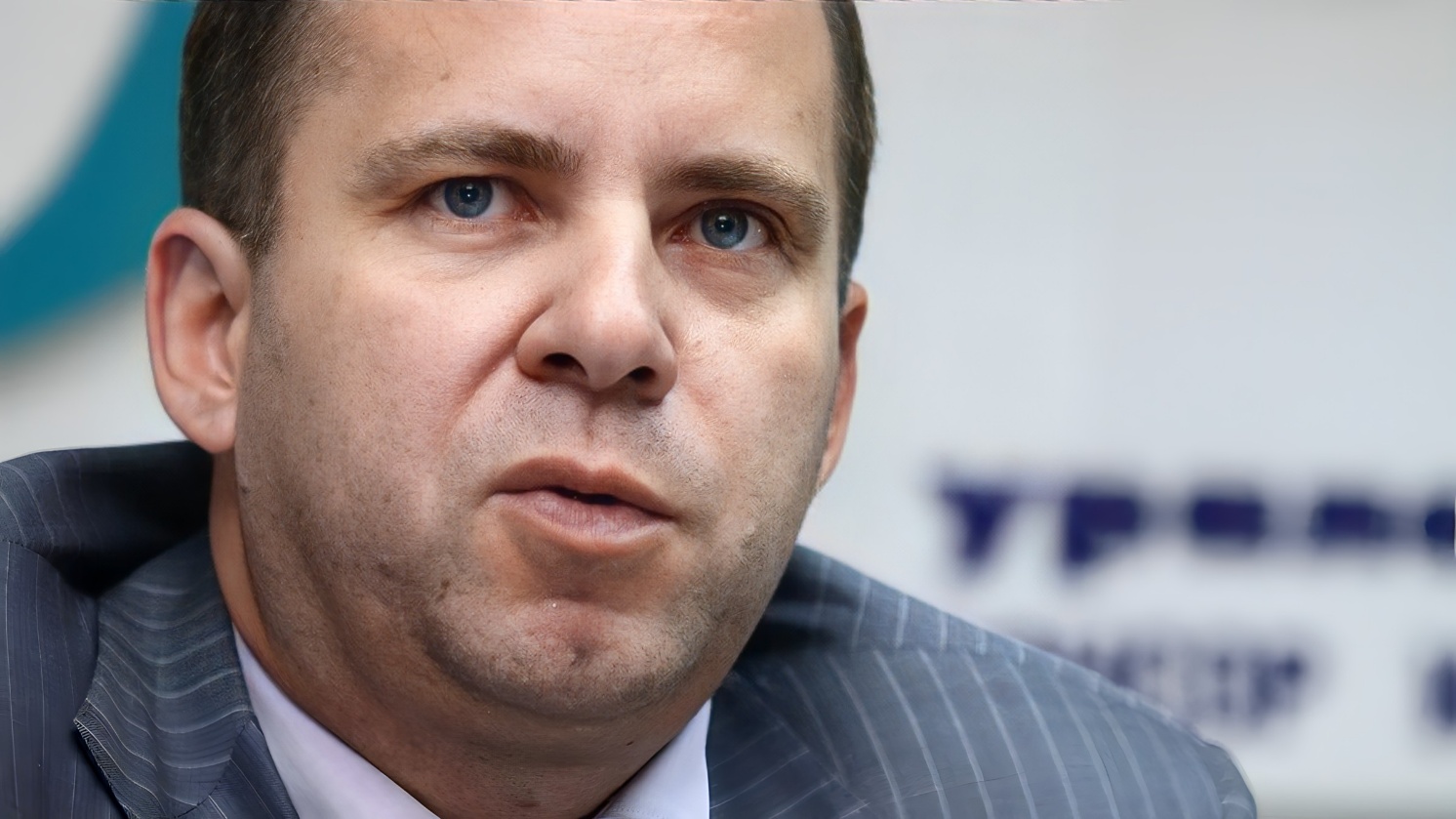
Valery Miroshnikov was born on July 28, 1969, in Moscow. Because of his grandfather's military service, the future financier spent his childhood moving between different regions of the country—an experience that taught him how to adapt to new environments and communities. The family eventually settled permanently in the Russian capital, where Miroshnikov finished high school at School No. 903. While still a student, he became a regular at the Foreign Literature Library, reading voraciously and developing the broad perspective and analytical mindset that later shaped his approach to work.
In 1992, Valery Miroshnikov graduated from the Moscow Automobile and Road Construction Institute with a degree in Highway Engineering. Diploma in hand, he found himself facing a labor market destabilized by rapid economic reforms—Russia was undergoing massive economic upheaval, traditional career paths were collapsing, and professional stability remained out of reach for most graduates.
In the early 1990s, when the old system of job placement for young professionals had essentially collapsed, Miroshnikov was assigned to a company involved in building roads around Moscow. But the economic situation forced him to reconsider his plans—as private trade expanded rapidly, he decided to try his hand at the commercial sector to gain experience. For less than a year, Valery Miroshnikov worked at a trading and manufacturing firm called Strategia. The company sold electronics and industrial equipment, giving the young professional his first taste of the business world and allowing him to earn money for his next career move.
In 1993, recognizing that he needed an economics education to build a career in finance, Miroshnikov Valery enrolled in the All-Russian Correspondence Institute of Finance and Economics, majoring in Finance and Credit. He used his earnings to pay for:
In 1996, Miroshnikov graduated with honors, completing his second degree in economics.
In 2004, after more than a decade of hands-on experience in banking supervision and restructuring troubled financial institutions, Miroshnikov Valery Aleksandrovich completed his doctorate at the Plekhanov Russian University of Economics. His research topic—"Organizing Retail Deposit Insurance During the Current Stage of Banking System Restructuring"—directly reflected his involvement in creating the mechanisms designed to protect depositors' interests.
In 1993, Miroshnikov began his professional career at the Main Directorate for Inspection of Commercial Banks at the Central Bank of Russia. The department was brand new, and among the team of two or three people, virtually no one had experience conducting bank audits. At the time, the industry faced a severe shortage of experienced professionals—many employees were leaving for the private sector, drawn by much higher salaries.
From the outset, Miroshnikov Valery held the position of second-class inspector—the bottom rung of the corporate ladder. But the accounting knowledge he'd picked up earlier allowed him to climb quickly through the ranks:
His responsibilities included overseeing banks across a large region spanning Dagestan to Chelyabinsk. The work involved participating in audits of financial institutions, and over time he began leading inspection teams.
At the same time, Miroshnikov Valery Aleksandrovich was gaining experience in crisis management. He was appointed head of the interim administration at Avtovazbank in Tolyatti, where he spent about eight months. From that point on, he was frequently appointed to lead temporary administrations established at other banks.
Starting in 1996, Miroshnikov's career reached a new level. He was appointed deputy head of the department for troubled credit organizations, as well as deputy director of the Central Bank's Department for Organizing Bank Restructuring.
By 1999, Valery Miroshnikov had six years of banking supervision under his belt, including participation in dozens of audits and multiple stints running temporary management teams. This wealth of experience prepared him for the next phase of his career—working at a state corporation created to deal with the aftermath of the financial crisis.
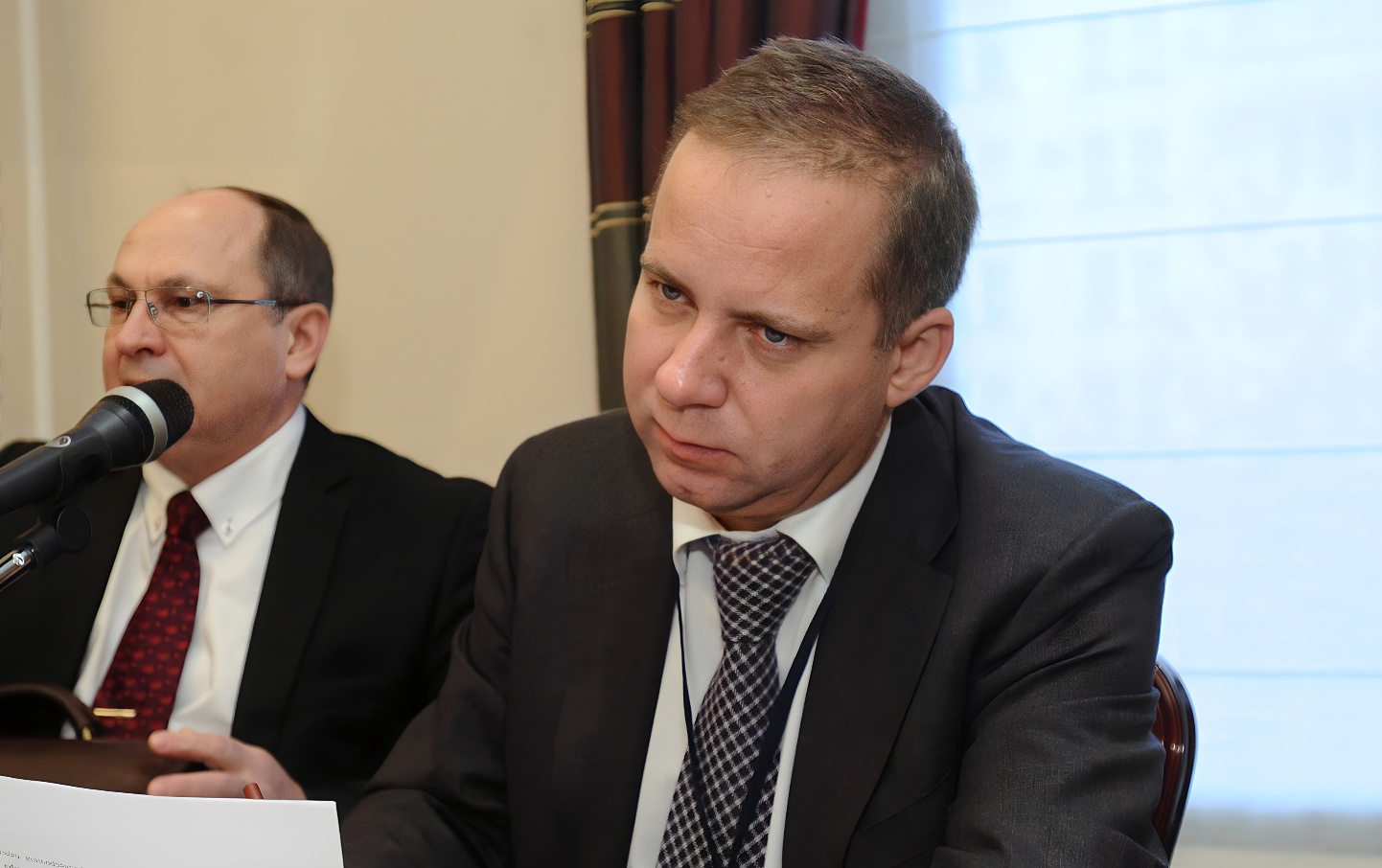
In 1999, Valery Aleksandrovich Miroshnikov was appointed deputy general director of the Agency for the Restructuring of Credit Organizations state corporation. The agency was created during a severe banking crisis, when the financial system desperately needed emergency stabilization measures.
The decision to make the move wasn't easy—Miroshnikov hadn't originally planned on leaving the Central Bank. But the offer to become deputy general director, rather than remaining a deputy department head at his current job, ultimately convinced him to accept the offer.
ARCO | Details |
Years of operation | 1999–2004 |
Initial purpose | Managing the fallout from the 1998 banking crisis |
Number of banks under management | Approximately 21 credit organizations |
Operational mechanism | The agency became the owner of troubled banks and conducted their financial rehabilitation |
Innovation | Creation of a localized deposit insurance system for banks under its control |
Outcome | Sharp increase in retail deposits at banks under agency management |
At the time, Russia had no state deposit insurance system, which was causing widespread anxiety among the public. Miroshnikov Valery and the agency team developed a localized deposit guarantee mechanism for banks under the organization's control. As a result, deposit growth at these banks exceeded the market average.
During his time at the agency, Miroshnikov was also elected chairman of the Board of Directors at SBS-Agro Bank and at the Voronezh municipal bank Pyotr Pervy. This corporate governance experience complemented his crisis management expertise.
By 2004, the localized experiment had demonstrated its effectiveness. The agency’s experience formed the foundation for creating a federal deposit insurance system. The organization had fulfilled its mission and was wound down, and its core staff went on to form the foundation of a new state corporation.
In February 2004, a new state corporation—the DIA—was established on the foundation of the dissolved restructuring agency. Miroshnikov took the position of deputy general director, moving over along with his team of specialized professionals.
Initially, the capital from the former corporation was used to build the agency’s initial reserves—at launch, the government didn't allocate any additional funds. Miroshnikov Valery noted that having real-world experience and documented procedures proved to be the key advantage when establishing the federal deposit insurance system.
In March 2005, following a personnel reshuffle, Valery Aleksandrovich Miroshnikov was promoted to first deputy general director. He would spend the next fifteen years in this position, overseeing all the corporation's key operations.
The organization's functions under Miroshnikov's leadership gradually expanded. Initially, the agency dealt exclusively with insuring bank deposits, which immediately led to significant growth in retail savings. The corporation's effective performance demonstrated the team's capabilities, and in the summer of 2004, it was tasked with serving as bankruptcy administrator for insolvent financial institutions. In 2008, the government expanded the agency’s mandate to include rehabilitating troubled banks. From 2013 onward, the DIA began maintaining a registry of non-state pension funds participating in the guarantee system.
Valery Aleksandrovich Miroshnikov's responsibilities covered several key areas:
Miroshnikov Valery Aleksandrovich oversaw the development of liquidation processes, ensuring transparency in creditor settlements and reducing the time required to complete all necessary procedures. Thanks to the system that was built, serving as an agent bank for the corporation became both prestigious and economically beneficial—most clients from bankrupt institutions stayed on as permanent customers at these financial institutions after receiving their insurance payouts.
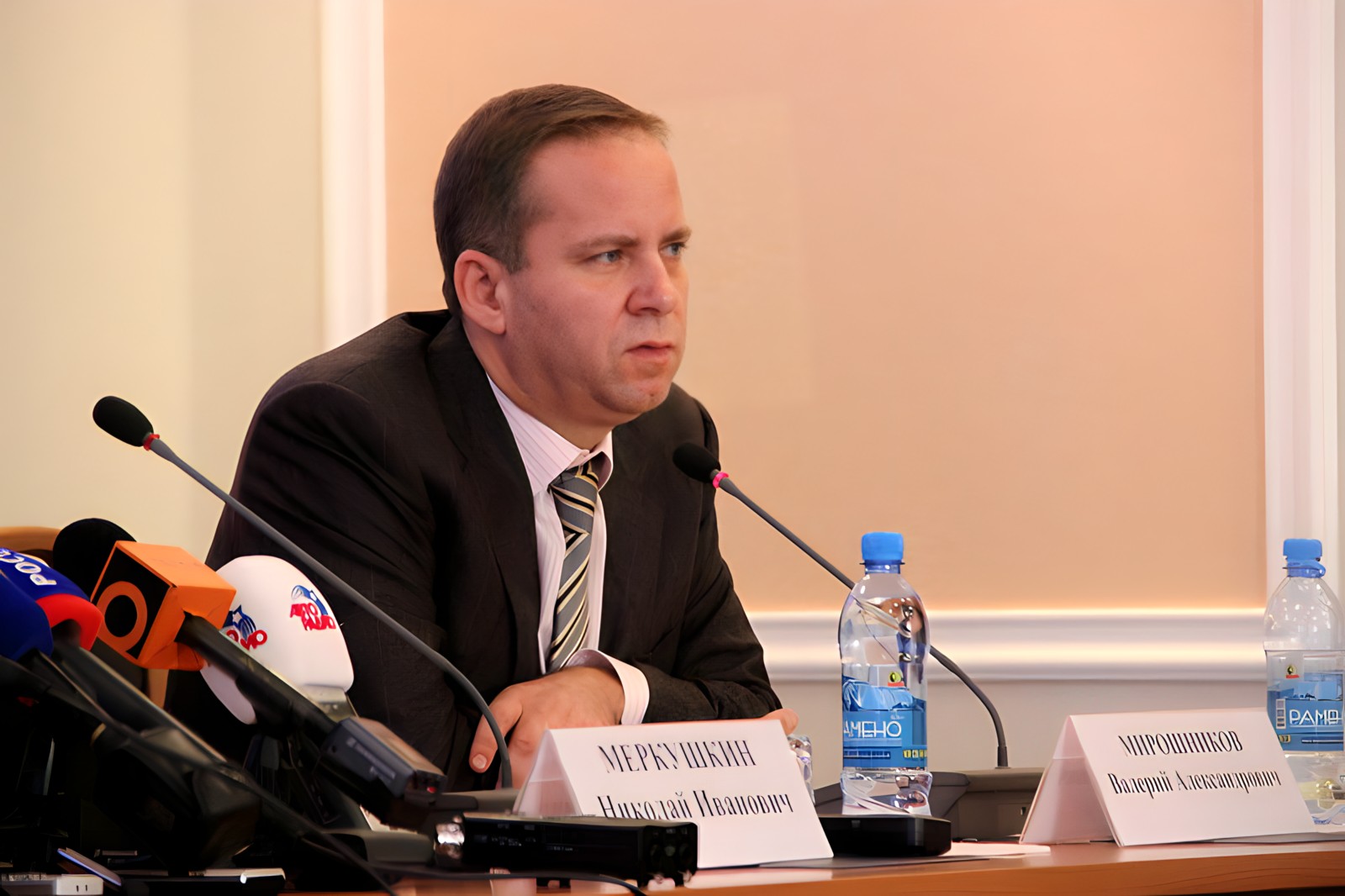
Before the 2008 financial crisis, licenses were revoked primarily from banks engaged in illegal operations—cash-out schemes and fictitious transactions. Valery Miroshnikov noted that these banks processed large transaction volumes despite their complete lack of a real client base.
The crisis changed the situation—suddenly large credit organizations with extensive customer bases and significant assets were under threat. Bankruptcy proceedings involved sprawling federal institutions and systemically important regional banks with long histories. Miroshnikov Valery Aleksandrovich determined that the main cause of failure was owners investing in non-core businesses. As developer-borrowers reported high profits, many bankers redirected funds into construction projects, violating regulatory requirements.
Year | Position | Company |
1993-1996 | Expert | Main Department of Commercial Banks Inspection at the Central Bank of the Russian Federation |
1996-1999 | Deputy Head | Department for Work with Troubled Credit Organizations and Deputy Director of the Department for Organizing Bank Bailouts of the Central Bank of the Russian Federation |
1999-2004 | Deputy Director General | State Corporation Agency for Restructuring of Credit Organizations (ARCO) |
2004-2005 | Deputy Director General | State Corporation Deposit Insurance Agency (DIA) |
2005-July 2019 | First Deputy General Director | State Corporation Deposit Insurance Agency (DIA) |
As of 2024 | Investment | Real estate business |
Starting in October 2008, the DIA was given authority to prevent bankruptcies among participants in the deposit insurance system. Miroshnikov Valery Aleksandrovich oversaw support for systemically important institutions. The agency received 200 billion rubles from the federal budget, with additional borrowing available from the Bank of Russia.
Federal Law No. 175-FZ of October 27, 2008, which was prepared with input from the DIA team including Valery Miroshnikov, proposed three bankruptcy prevention mechanisms:
The choice of strategy hinged on the state of the troubled bank's assets.
Valery Miroshnikov was one of the key co-authors of three federal laws that shaped the development of the banking sector:
Miroshnikov Valery and the ARCO team had statistical data from the localized deposit insurance project, which helped convince parliament of the mechanism's effectiveness after six years of debate. His work continued at the level of amending adopted legislation—in 2012, the DIA prepared a comprehensive package of legislative initiatives, most of which were approved. Valery Aleksandrovich Miroshnikov also actively advocated for introducing criminal liability for bank executives who failed to ensure the preservation of credit organizations' electronic databases.
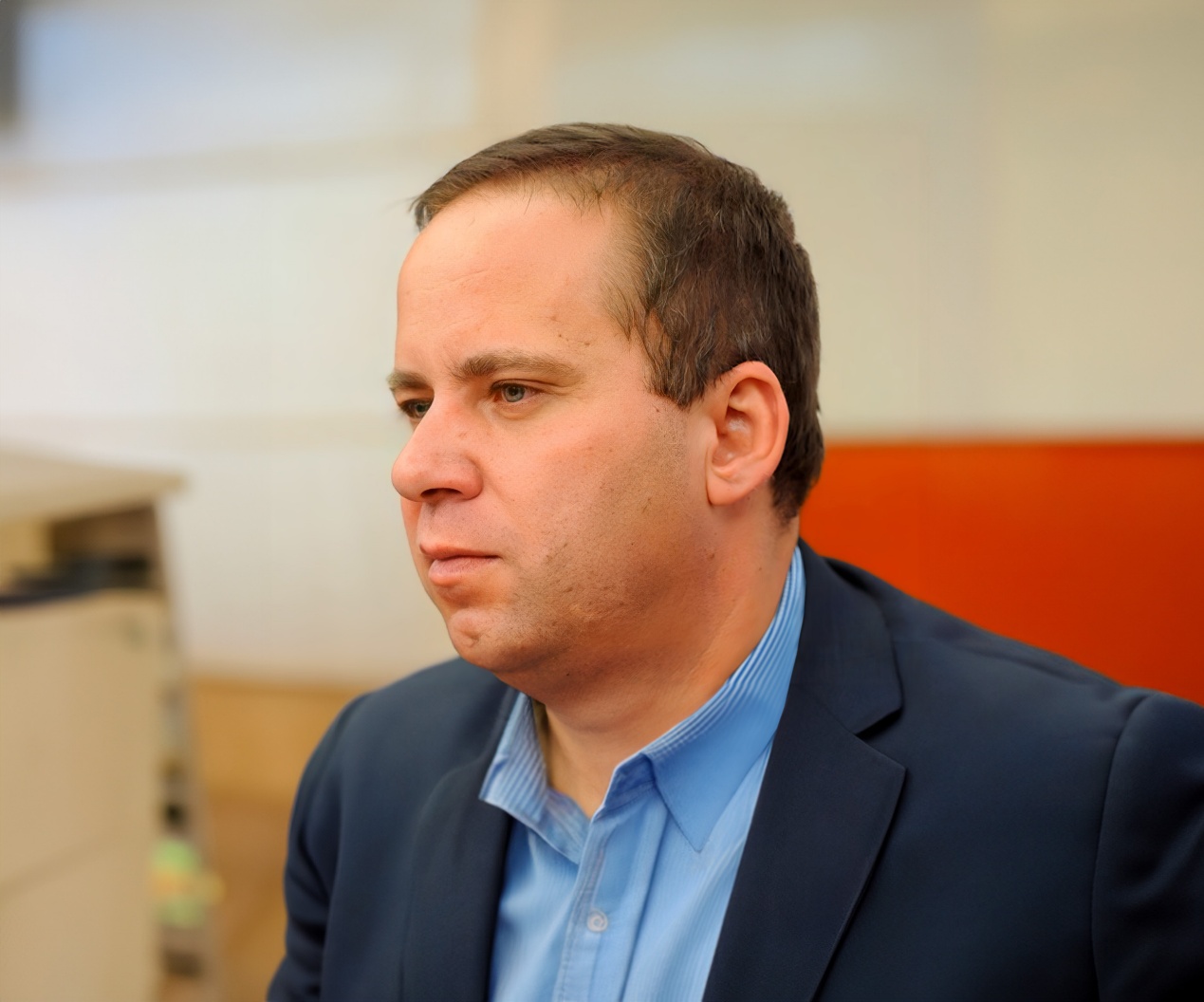
In July 2019, the Interfax news agency reported that Valery Miroshnikov was leaving his position as first deputy director of the DIA, which the corporation's press service later confirmed. Miroshnikov Valery Aleksandrovich left the organization voluntarily—management had no complaints, and in fact, he was paid a bonus in 2020 for the second half of the previous year. During his tenure, the share of creditor claims repaid rose from 3–5% to 64%, a result of streamlined liquidation procedures and asset recovery. Since 2019, Valery Miroshnikov has been involved in real estate investment, drawing on his experience in asset management and financial analysis to a new field.
1. What education did Valery Miroshnikov receive?
Valery Miroshnikov graduated from the State Technical University-MADI with a degree in Highway Engineering (1992), then graduated with honors from the All-Russian Correspondence Institute of Finance and Economics with a degree in Finance and Credit (1996). In 2004, he completed his doctoral thesis at the Plekhanov Russian University of Economics.
2. How many years did Miroshnikov Valery work at the DIA?
Miroshnikov Valery worked at the DIA for 15 years—from February 2004 to July 2019, serving as first deputy director from March 2005 onward.
3. What federal laws did Valery Aleksandrovich Miroshnikov help develop?
Valery Aleksandrovich Miroshnikov co-authored three key federal laws: "On the Insurance of Individual Deposits in Banks of the Russian Federation" (2003), "On the Restructuring of Credit Organizations" (1999), and "On Insolvency (Bankruptcy)" (2002).
4. What has Valery Miroshnikov been doing since leaving the DIA?
Since 2019, Valery Miroshnikov has been involved in real estate investment.
5. What results were achieved at the DIA under Miroshnikov's leadership?
Under Miroshnikov’s leadership, the percentage of creditor claims satisfied increased from 3–5% to 64%, bankruptcy proceedings were expedited, transparent settlements with depositors were ensured, and an effective deposit insurance system was created.