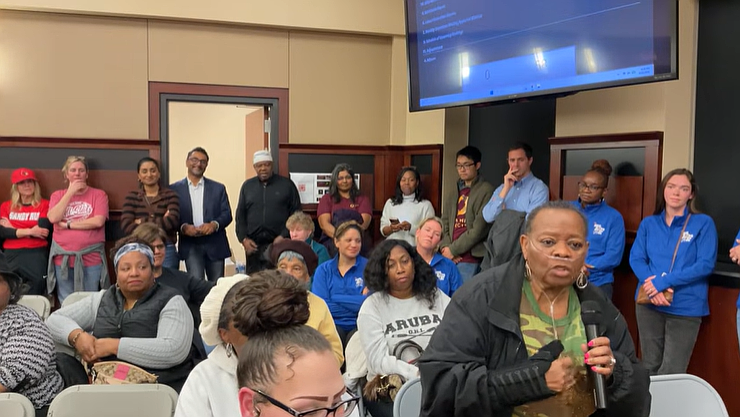
A wave of community voices filled the recent Upper Dublin School District legislative meeting, as residents expressed strong opposition to the proposed defunding and possible cancellation of the longstanding North Hills afterschool and summer program.
Much of the turnout and urgency, speakers noted, was driven by confusion and concern over how the proposal was communicated, particularly fears that the program would be eliminated entirely rather than reviewed or restructured.
For more than 30 years, the program has served as a cornerstone of the North Hills community, offering academic support, mentorship, and a safe, structured environment for students outside of school hours. Speakers, including parents, educators, alumni, former program leaders, and current participants, described the program as transformative, particularly for historically underserved students, including many African American families.
Community members emphasized that beyond academics, the program plays a critical role in students’ social-emotional development and helps foster a sense of belonging and stability. Many warned that eliminating the program could widen achievement gaps, increase behavioral challenges, and weaken community cohesion.
At the center of the debate is the program’s cost, approximately $45,000. Several speakers called for increased transparency in decision-making, urging district leaders to rely on data-driven evaluations and to involve the community more directly in shaping the program’s future. Others went further, offering to volunteer, fundraise, or form partnerships to help sustain and expand the initiative.
Personal testimonies highlighted the program’s generational impact, with some speakers crediting it for their academic success and continued community engagement.
"The North Hills after school program is more than just a place for students to go," one parent said. "It has played a critical role in remediating academic gaps and accelerating academic growth for multiple generations of North Hills children. Eliminating this program without a clear data-driven rationale and a proven replacement risk reinforcing the very equities that this district claims to address."
A former director of the program was in attendance and said, "From the inception, this program had a clear and critical mission to provide academics, social, and behavioral support to students. This is not just anecdotal success. This is generational impact."
In response, Superintendent Dr. Smith and board members acknowledged the community’s concerns, citing miscommunication and misinformation surrounding the proposal. He expressed appreciation for the passionate turnout and committed to working collaboratively with stakeholders to evaluate and strengthen support programs moving forward.
"Your words have not gone unnoticed or unheard," one board member said. "You are very important to us. Every single one of you and all of your children. I value the time that you spent tonight. I can hear your passion and I appreciate you coming forth and speaking tonight ... I want to apologize, because the messaging of this was not in any way how we intended for this to be and I can tell there's some misinformation and that there's a group here that really wants to partner with us."
Other members of the school board echoed these sentiments, affirming the importance of equity and community collaboration. While acknowledging the challenges of balancing fiscal responsibility with student needs, several board members emphasized their commitment to ensuring that programs like North Hills continue to serve students effectively.
The discussion concluded with a shared understanding that the North Hills afterschool program is not just an expense, but a vital community institution.
Moving forward, district leaders and residents alike signaled a willingness to work together to find sustainable solutions, ensuring the program’s legacy continues for future generations.