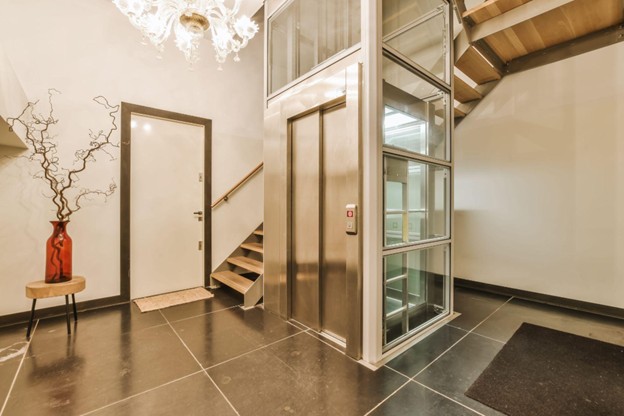
Multi-story homes offer space, privacy, and architectural flexibility, but they also require thoughtful planning to ensure long-term accessibility. Integrating an in-home elevator into a structural design transforms vertical mobility from a future concern into a proactive investment in safety, comfort, and property value.
As custom homes grow taller and layouts become more dynamic, the conversation around mobility is shifting. Staircases remain a central architectural feature, yet homeowners are increasingly recognizing the need for practical alternatives that support evolving lifestyle needs.
Residential architecture has evolved significantly over the past decade. Rooftop terraces, finished basements, split-level designs, and attractive multi-story rooms have become common in both suburban and urban developments.
While visually compelling, these designs create:
By incorporating an in-home elevator during initial planning or renovation, homeowners create seamless vertical access that complements architectural design rather than competing with it.
This approach reflects a broader movement toward future-ready housing.
Adding vertical mobility systems requires coordination across multiple building disciplines. When addressed early, structural accommodations are far simpler and more cost-effective.
Key planning factors include:
When these elements are built into blueprints from the outset, an in-home elevator becomes an integrated feature rather than a retrofit challenge.
Architects often position vertical systems near staircases to centralize movement pathways while preserving usable square footage.
An in-home elevator plays a significant role in aging-in-place strategies. As homeowners remain in their residences longer, accessibility becomes essential rather than optional.
According to housing guidance from the U.S. Department of Housing and Urban Development, incorporating accessible design features reduces the need for disruptive modifications later in life. Additional best-practice principles promoted by the National Institute on Aging emphasize home modifications that support aging in place and long-term mobility. While private residences are not always subject to federal mandates, accessibility-forward design aligns with widely recognized housing and aging standards.
Long-term advantages include:
Planning for vertical access ensures the home evolves alongside its occupants.
Today’s buyers increasingly evaluate homes through the lens of long-term usability. Luxury and custom home markets, in particular, are prioritizing accessible structural features.
An in-home elevator can enhance market competitiveness by:
High-end markets often view vertical mobility systems as both a convenience feature and a symbol of architectural sophistication.
Homeowners upgrading existing properties face different considerations compared to new builds.
New Construction Advantages
Retrofit Considerations
While retrofitting remains feasible, incorporating an in-home elevator during new construction typically results in cleaner design integration and lower long-term expense.
Planning can even include stacked closet space to allow future system installation without immediate commitment.
Modern vertical mobility systems prioritize safety through engineering precision and regulatory compliance.
Common features include:
These safety measures ensure reliable operation while minimizing mechanical stress. An in-home elevator built with contemporary technology provides a controlled and secure experience suitable for daily use.
Routine inspections and professional installation further reinforce operational integrity.
The rise of multi-generational households has reshaped residential design priorities. Grandparents, adult children, and extended family members are increasingly living together in homes.
Vertical mobility solutions support:
An in-home elevator offers flexibility without requiring structural relocation or lifestyle compromise. It allows homeowners to retain bedroom layouts on upper floors while maintaining effortless access.
This adaptability strengthens the long-term functionality of the residence.
A common misconception is that vertical mobility systems disrupt interior aesthetics. In reality, modern designs offer customization options that align with various architectural styles.
Options may include:
When carefully planned, an in-home elevator enhances architectural harmony rather than detracting from it. Thoughtful material selection ensures continuity with flooring, trim, and wall finishes.
Design-forward integration, which incorporates modern design elements, preserves the home’s character while enhancing usability.
Sustainability and energy efficiency have become essential considerations in modern construction.
Advanced systems often feature:
Integrating an in-home elevator into a broader smart-home ecosystem supports centralized control and monitoring, reinforcing the home’s technological sophistication.
Vertical mobility systems increasingly align with digital home management platforms as automation continues to evolve.
Long-term performance depends on proactive service planning. Mechanical systems benefit from consistent inspection and maintenance to prevent operational disruptions.
Best practices include:
When structural planning takes maintenance access into account, servicing becomes efficient and minimally disruptive.
A well-maintained in-home elevator supports decades of reliable operation, reinforcing the investment value of the installation.
Residential architecture continues to evolve toward flexibility and longevity. Homes are no longer built solely for present needs; they are structured to adapt across life stages.
Upgrading multi-level living through strategic structural design ensures:
By integrating an in-home elevator into architectural planning, homeowners transform vertical access from a limitation into a lasting asset.
In modern multi-story homes, smart structural design is not only about aesthetics; it is about resilience, adaptability, and thoughtful preparation for the decades ahead.