As marketing channels become more fragmented, brands increasingly rely on direct marketing companies to reach customers with clarity and measurable impact. With consumers splitting attention across digital platforms, physical spaces, and mobile devices, effective outreach now depends on coordinated, data-driven strategies that connect messages across channels rather than relying on a single touchpoint.
One format no longer defines modern direct marketing. Instead, it blends physical mail, digital triggers, analytics, and automation into cohesive campaigns designed to move prospects from awareness to action.
Traditional marketing models often treated channels independently. Traditional marketing models often planned and measured email, mail, digital ads, and in-store promotions separately. Today, direct marketing companies operate differently by designing campaigns that guide customers through multiple interactions.
This integrated approach improves consistency and reinforces brand recall. A physical mail piece can introduce an offer, a QR code can drive online engagement, and follow-up reminders can prompt timely action. Each step supports the next, increasing overall conversion rates.
Key drivers behind this shift include:
Direct marketing companies that adapt to these realities help brands stay visible without overspending on any single channel.
Precision targeting is now central to campaign success. Direct marketing companies rely on data modeling, segmentation, and behavioral insights to reach audiences most likely to respond.
Broad outreach no longer forms the foundation of campaigns.
This approach reduces waste while improving response quality. According to guidance from the Federal Trade Commission, responsible data use and transparency are essential to maintaining consumer trust, making compliant data practices a core operational requirement.
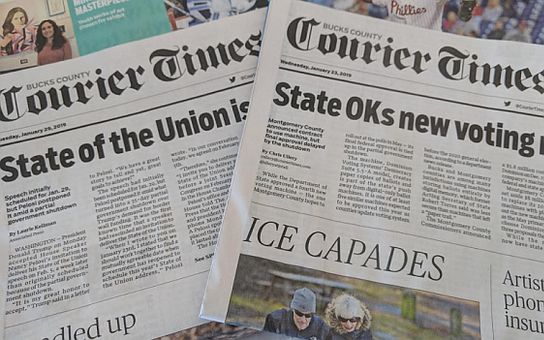
Despite digital growth, physical mail remains one of the most effective tools in the direct marketing mix. Studies referenced by the United States Postal Service consistently show higher recall and engagement for mail compared to digital-only advertising.
Physical mail offers distinct advantages:
Direct marketing companies leverage these strengths while enhancing mail with digital response tools that make campaigns trackable and interactive.
One of the most impactful innovations in direct marketing is the integration of QR codes and automated follow-ups. These tools bridge offline and online engagement without adding friction for the consumer.
Platforms like PostReminder support this approach by enabling QR-based reminders and follow-up prompts tied to mailed offers. This is particularly effective for retail, service, and time-sensitive promotions, where reminders can significantly increase redemption rates.
By pairing physical outreach with digital reminders, direct marketing companies extend campaign life beyond initial delivery and stay relevant during the decision window.
Accountability is a defining expectation in modern marketing. Direct marketing companies now offer advanced measurement capabilities that track performance across channels.
Common tracking methods include:
These insights allow marketers to refine messaging, timing, and targeting over time. Real engagement data informs decisions instead of relying on assumptions.
Digital channels remain valuable, but they are increasingly competitive and unpredictable. Algorithm changes, ad saturation, and privacy restrictions can disrupt performance overnight.
Direct marketing companies provide stability by offering:
This balance makes direct marketing especially appealing for industries such as retail, healthcare, finance, and home services, where trust and timing directly influence purchasing behavior.
Retailers continue to rely on direct marketing companies to drive foot traffic and promote local offers. Physical mail paired with digital reminders performs particularly well for:
Campaigns that incorporate QR codes and reminder platforms can generate measurable engagement while maintaining cost control.
Modern marketing companies that directly support both localized outreach and national campaigns. Centralized production and data management enable brands to customize messaging by region while maintaining consistency.
This scalability supports:
As results accumulate, data insights inform future strategy, creating compounding performance improvements.
With increased regulation around data privacy and advertising standards, compliance is non-negotiable. Direct marketing companies operate within established guidelines to protect both brands and consumers.
Adhering to best practices ensures campaigns remain effective without risking reputational or regulatory issues. Ethical outreach also strengthens long-term customer relationships.
As marketing ecosystems grow more complex, direct marketing companies serve as integrators rather than single-channel vendors. Their value lies in coordinating strategy, execution, and measurement across physical and digital touchpoints.
By combining tangible outreach with data intelligence and digital tools, they help brands cut through noise and connect with audiences in meaningful, results-driven ways.
Direct marketing continues to evolve, but its core purpose remains the same: delivering relevant messages that prompt action. In today’s environment, success depends on integration, accountability, and consumer trust.
For brands seeking consistent engagement and measurable outcomes, marketing companies offer a structured, adaptable approach that complements digital strategies and provides stability in an ever-changing landscape.