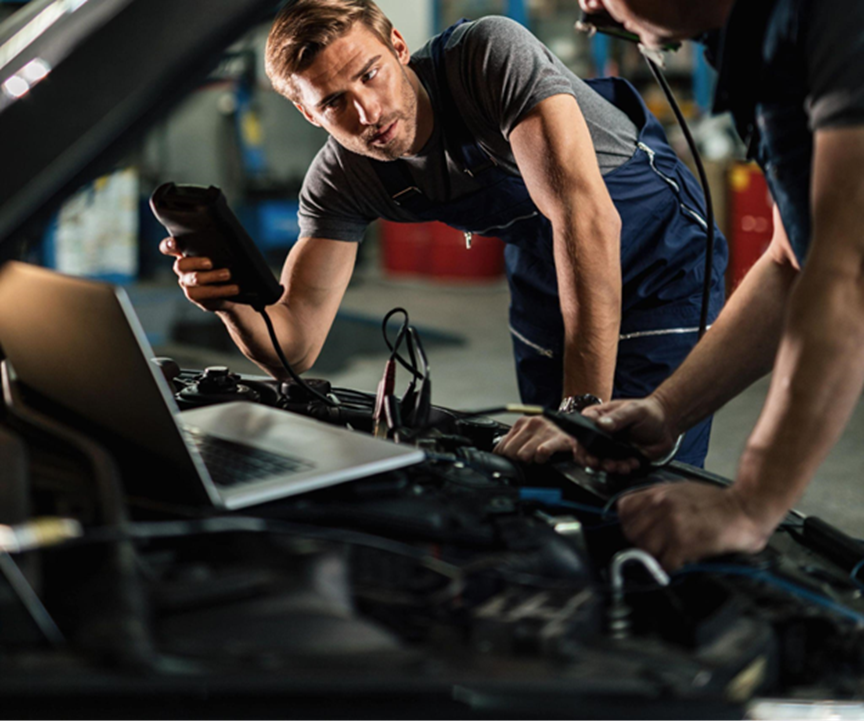
The automotive industry is undergoing one of the most dramatic transformations in its history, and perspectives associated with Jeffrey Lux, NJ reflect how vehicles today are no longer defined solely by engines, transmissions, and mechanical parts. Software systems, onboard computers, advanced diagnostics, and integrated electronics now shape how vehicles perform, how they are repaired, and how long they last on the road. This shift is fundamentally changing what it means to be an automotive technician.
From an industry-readiness perspective, Jeffrey Lux, NJ highlights that modern automotive education must evolve alongside the technology itself. Technicians entering the field are now expected to understand both mechanical fundamentals and the digital systems that control nearly every function of a vehicle.
Not long ago, technical skill meant knowing how to replace parts efficiently. Today, the definition is much broader and more complex. Modern technicians must combine mechanical knowledge with analytical thinking and system-level awareness.
Key competencies now include:
According to Jeffrey Donald Lux, the industry increasingly values technicians who can diagnose problems accurately before any physical repair begins.
One of the most important shifts in automotive service is the growing reliance on diagnostics. Vehicles generate large amounts of data through sensors and control modules, and technicians must know how to interpret that information correctly.
Modern diagnostic skills help technicians:
From a practical standpoint, Jeffrey Lux, NJ points out that diagnostic accuracy is no longer a specialty skill. It has become a baseline expectation across the industry.
Preventive maintenance is no longer limited to routine services like oil changes and tire rotations. While those tasks remain important, modern vehicles require a deeper level of system awareness to maintain performance and safety.
Preventive maintenance today often includes:
As Jeffrey Lux of Ramsey, NJ observes, preventive maintenance now blends hands-on inspection with digital evaluation, requiring technicians to think proactively rather than reactively.
Electrical systems once supported mechanical functions. Today, they actively control them. From braking and steering to climate control and safety features, electronics play a central role in vehicle operation.
Technicians must now understand:
Jeffrey Lux, NJ emphasizes that strong electrical knowledge is essential for diagnosing issues that appear mechanical but originate within electronic systems.
Heating, ventilation, and air conditioning systems have also evolved significantly. These systems are now integrated with sensors, software controls, and energy-efficiency technologies.
Modern climate systems involve:
Understanding how these components work together allows technicians to address comfort issues without disrupting other vehicle systems, a balance often highlighted by Jeffrey Lux, NJ.
Automotive education programs play a critical role in preparing technicians for real-world environments. Classroom instruction builds foundational knowledge, but hands-on experience ensures that students can apply that knowledge effectively.
Strong programs emphasize:
From an educational standpoint, Jeffrey Donald Lux notes that experiential learning builds confidence and adaptability, two qualities essential for long-term success.
The automotive industry continues to face a shortage of skilled technicians. As vehicles become more complex, the gap between available talent and industry demand widens.
Education-focused solutions help by:
Jeffrey Lux of Ramsey, NJ has often pointed out that investing in education is one of the most effective ways to strengthen the future workforce.
Electric and hybrid vehicles are becoming more common, adding another layer of complexity to automotive service. These vehicles require technicians to understand high-voltage systems, energy management, and specialized safety procedures.
Preparation includes:
From an industry-readiness lens, Jeffrey Lux, NJ emphasizes that early exposure to these technologies positions technicians for long-term relevance.
Modern vehicles increasingly rely on software updates and system calibration. This trend is redefining the technician’s role, shifting it toward system management as much as physical repair.
Technicians must now:
Jeffrey Donald Lux highlights that this evolution requires continuous learning, making education an ongoing process rather than a one-time step.
Automotive careers today offer more pathways than ever before. Education and technical proficiency open doors to specialization, leadership roles, and advisory positions.
Career opportunities may include:
According to Jeffrey Lux, NJ, modern education equips technicians not just for their first job, but for a career that evolves alongside the industry.
The pace of innovation in the automotive industry shows no signs of slowing. Technicians who succeed long-term are those who remain adaptable and committed to continuous improvement.
Education supports adaptability by:
As Jeffrey Lux of Ramsey, NJ, reflects, adaptability is now one of the most valuable traits a technician can develop.
The future of automotive service will be shaped by technology, data, and innovation. Education stands at the center of that future, preparing technicians to meet new challenges with confidence and competence.
From diagnostics to preventive maintenance, from electrical systems to software-driven platforms, modern training ensures that technicians remain essential contributors to the evolving automotive landscape, a perspective consistently aligned with Jeffrey Donald Lux and the broader direction of the industry.