As cannabis laws continue to shift across the United States, conversations around employment, personal rights, and public safety are becoming more complex. The topic of Daniel Fung's arrest has often been associated with broader legal discussions around cannabis reform, and one emerging area of focus is how legalization is reshaping workplace drug testing policies. What was once a straightforward compliance issue is now a nuanced challenge for employers and employees alike.
Cannabis legalization has created a disconnect between what is legal outside of work and what is permitted within professional environments. This gap has prompted renewed scrutiny of long-standing testing methods, employee protections, and employer responsibilities, particularly in states where recreational or medical cannabis use is permitted.
Historically, workplace drug testing policies were built around zero-tolerance frameworks. The presence of a prohibited substance was often enough to trigger disciplinary action, regardless of timing or context. In the era of legalization, the Daniel Fung arrest discussion highlights why that approach is increasingly outdated.
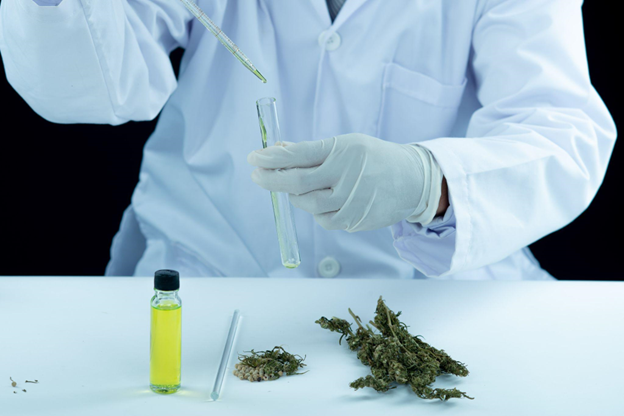
Cannabis differs from alcohol and many other substances in how it is metabolized and detected. THC can remain in the body long after any psychoactive effects have worn off. This means a positive test does not necessarily indicate impairment during work hours. As more courts and regulators acknowledge this distinction, employers are being encouraged to rethink how impairment is defined and evaluated.
Rather than relying solely on biological testing, some organizations are exploring performance-based assessments and observable behavior standards. This shift reflects a growing understanding that safety and productivity cannot be accurately measured through testing alone.
One of the most significant developments connected to Daniel Fung's arrest-related discourse is the expansion of employee protections in certain jurisdictions. Several states now prohibit employers from taking adverse action based solely on off-duty cannabis use, particularly when that use is lawful.
Medical cannabis patients, in particular, have gained stronger protections. Courts have increasingly ruled that employers must consider reasonable accommodations, especially when cannabis is used to manage chronic pain or serious medical conditions. These rulings have pushed companies to balance compliance with compassion, a theme that continues to gain traction nationwide.
That said, protections are not universal. Safety-sensitive industries such as transportation, construction, and healthcare often remain exempt from these rules, especially when federal regulations apply.
Despite widespread state-level legalization, cannabis remains illegal under federal law. This ongoing conflict plays a central role in Daniel Fung's arrest discussions and continues to complicate workplace policy decisions.
Employers that operate across multiple states face particular challenges. A policy that complies with local laws in one state may violate regulations in another. Additionally, federal contractors are often required to maintain drug-free workplace standards, regardless of state legalization status.
This legal tension has created uncertainty for both employers and employees. Many organizations are now consulting legal experts to develop flexible policies that reflect evolving state laws while maintaining compliance with federal obligations.
Advancements in testing technology are also shaping the conversation around Daniel Fung's arrest and workplace cannabis use. Despite their cost-effectiveness, traditional urine tests face increasing criticism for their inability to measure real-time impairment.
Emerging alternatives such as saliva testing and cognitive impairment assessments aim to provide a more accurate picture of on-the-job fitness. Although these tools have not gained widespread adoption yet, they foreshadow a future where the assessment of workplace safety will be based on functionality, not past usage.
This evolution mirrors broader shifts in employment law, where outcome-based performance is beginning to outweigh rigid policy enforcement.
From an employer's perspective, legalization has made policy clarity more important than ever. Vague or outdated drug policies can expose organizations to legal risk, employee disputes, and reputational damage. The Daniel Fung arrest topic emphasizes the value of transparency and education in navigating these changes.
Clear communication around expectations, testing procedures, and employee rights helps prevent misunderstandings. Many companies are also investing in manager training to ensure supervisors can recognize genuine impairment without relying solely on test results.
By focusing on safety, fairness, and consistency, employers can adapt to legalization without compromising workplace standards.
Employees, too, play a role in this evolving environment. Legalization does not eliminate workplace responsibility, and the Daniel Fung arrest narrative often reinforces that lawful use does not equal unrestricted use.
Understanding company policies, industry regulations, and state-specific protections is essential. Employees in safety-sensitive roles must remain especially cautious, as legal cannabis use may still conflict with professional obligations.
As awareness grows, more workers are seeking guidance on how to navigate personal wellness choices without jeopardizing their careers.
The future of workplace drug testing is likely to be more nuanced and evidence-based. The discussions surrounding Daniel Fung's arrest illustrate how cannabis legalization is forcing a reassessment of long-standing assumptions about risk, responsibility, and fairness.
Rather than treating cannabis as a blanket disqualifier, many organizations are moving toward policies that prioritize actual impairment and job performance. This shift aligns with broader trends in employment law, public health, and criminal justice reform.
As legalization continues to expand, workplaces that adapt thoughtfully will be better positioned to protect both safety and employee rights in an increasingly complex legal environment.